Showing posts with label 72-hour kits. Show all posts

Tuesday, September 17, 2013

72-hour kit: Radio


In case of a natural disaster or other emergency in your area, the only way to get information may be through a radio.

There are many different types of radios, from battery-powered to hand-crack radios. Whichever you prefer, make sure you know how to use it and have extra batteries if necessary.


This is step 7 on the PLAN 9 pamphlet put together by the Southwest Utah Public Health Department.

Tuesday, September 3, 2013

3-month supply: Water


Water is ESSENTIAL no matter what your level of preparedness.

It is recommended to have one gallon of water, per person, per day, for drinking and sanitation purposes.

Don't stress. Start small.

It is recommended to store a 2 weeks supply of water. That's 14 gallons per person.

For drinking water, you want to store your water in food-grade plastic containers. There are a lot of options out there from containers that hold a few gallons of water to 30 gallons.
 
Water bottles are a great way to store drinking water too.
 
For washing water you don't have to be as picky. I refill plastic soda bottles and old laundry soap jugs. These need to be rotated more often that the food-grade plastic but making a habit of refilling these bottles will make it easy to increase your water supply without a lot of extra thought and expense.

With my water storage, I separate what is stored for home use and what I would need if we had to leave home.
 
It's a great idea to keep a pack of water bottles in the car at all times. Not only will you have some water in case of an emergency, but they are convenient to have for trips or even just to cool off after playing at the park.
 
When thinking of water storage, you will also want to remember including water in your 72-hour kit. I also have a small, rolling suitcase filled with water bottles which is stored with my 72-hour kit bags. It's heavy but I could fit it in the car or roll it behind me, depending on which mode of transportation I would be using in an emergency.
 
 
A light addition for your 72-hour kits could be a water purifier bottle. It may not be realistic to have 3 gallons of water in each person's kit if you have to leave your car and go somewhere on foot. These may seem a little pricey, but most can filter just about everything out of the water and will sometimes safely filter 20-30 gallons of water before the filter needs to be thrown out.

Another item that you might want to store when thinking of water storage is BLEACH. Adding a tiny bit of bleach to some questionable water will help kill off bacteria that might be growing. Boiling water is another way to clean questionable water, but in some emergencies you may not have a way to boil your water.
 
 
Important: Keep water containers away from heat sources and direct sunlight. Do not store plastic on cement.

Here's a great link to FEMA for more information: Water

Good post from PreparedLDSFamily: How to Store Emergency Drinking Water


This is step 1 on the PLAN 9 pamphlet put together by the Southwest Utah Public Health Department.

Tuesday, June 11, 2013

72-hour kit: Can opener

Photo courtesy of Wikipedia Commons.
 
 
As far as 72-hour kits go, I try not to pack any food that requires a can opener, so I personally do not need a can opener in my kit.

However, I think that it is VERY important to have an extra can opener available in your home. So much of what we store is canned food, so it seems only practical to have an extra opener around...maybe even two...or three.

Last year, our can opener died. The gear thing bent and it was toast...and it was Sunday...and I was in the middle of making dinner...and I needed a can of pineapple.

So off to the neighbors I went. It only took 4 doors until I found one. It was totally embarrassing.

The next day we went out and bought TWO can openers.
 
Today I am back down to ONE...and it's not even one of the two I bought last year. I need to add a can opener to my next shopping list for sure.


This is step 6 on the PLAN 9 pamphlet put together by the Southwest Utah Public Health Department.

See right side of blog for additional steps.

Tuesday, May 14, 2013

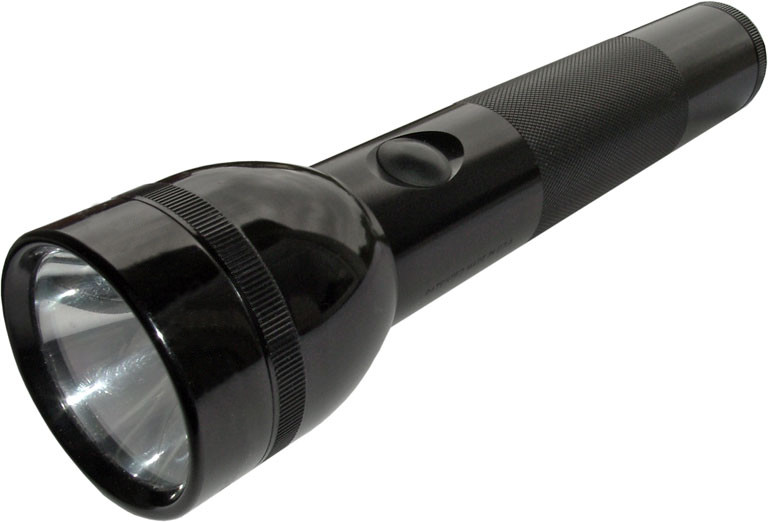
72-hour kit: Flashlights


Photo courtesy of Wikipedia Commons.

 
Every 72-hour kit should include a flashlight AND batteries.

Do not keep the batteries in the flashlight while it is being stored.

Having head-lamp type flashlights are a great idea considering you may have your hands full in an emergency.
 
A flashlight in your car is also very important, as well has having one or two around the house in case of a power-outage. For Christmas we received a cool flashlight that charges in a power outlet. It's small and the kids love to use it when they want to search for something under the couch or something. And I love it because they aren't wasting batteries. I think I need to get more of these, at least one for each level of the house.


This is step 5 on the PLAN 9 pamphlet put together by the Southwest Utah Public Health Department.


See right side of blog for additional steps.

Tuesday, April 9, 2013

72-hour kit: Medication


Medicine is an important part of any emergency kit. Storing over-the-counter medications like Acetaminophen and Ibuprofen may be useful if you are away from home or if you are unable to go to a store for a period of time. If you have children at home, you should store appropriate medicine for them as well.

I store a bottle of each medicine in my kit. When I run out of one in my medicine cupboard, I get the bottle out of my kit. Then I buy a new one for the 72-hour kit. It has been helpful to have these extra medicines handy when I am unexpectedly run out and one of my kids is sick.

If you or a family member has a specific medical need that makes it necessary to take medication regularly, this medication is extremely important to have an emergency. My husband takes medicine weekly, along with daily vitamins. I store at least 3 days worth of the needed medication, one week's worth for the weekly meds. You may need to have a plan for medications that need to be refrigerated, if needed.

I use an old medicine bottle with a child-proof lid for the pills we need to keep my kids safe. I also have a card with each medicine and vitamin labeled.


I place the medicine in a small plastic bag, wrap it with packing tape, and label it with the date so I know when I need to rotate it.

This medication has also come in handy when we have had miscommunication between the doctor's office and the pharmacy.


This is step 4 on the PLAN 9 pamphlet put together by the Southwest Utah Public Health Department.

Previous Steps...
Step 3: Clothing
Step 2: Food
Step 1: Water


Tuesday, March 19, 2013

72-hour kit: Clothing


As far as clothing goes this is what I recommend for EACH family member:

1 shirt
1 pair of jeans (I use old, holey ones)
1 pair socks
1 pair of underwear (or 12-16 diapers for baby...and don't forget wipes!)
1 sweater
1 pair shoes

You can get clothing from your local thrift store. I save ALL my boys' clothes, so most of the stuff is used from their older brother. For my daughter, I have some pajamas that are the size bigger than she is currently in.

In the image above, I had all the clothing in a large, rolling suitcase. Since I took that photo, I have made separate kits for each member of the family. Do what works for you.

I also have a set of clothing in the car for each of my children, as well as a bunch of diapers and wipes. There have been MANY times that I have needed a new pair of underwear and pants for one of my kids who got in mud or had an accident while at a friend's house or even out doing errands.


While you're thinking of clothing for you 72-hour kits, you may want to consider the following items as well:

Ponchos
Blankets
Work gloves
Hats

This is Step 3 on the PLAN 9 pamphlet put together by the Southwest Utah Public Health Department.

Previous Steps...
Step 2: Food
Step 1: Water

Tuesday, February 12, 2013

72-hour kit: Food

It's been a whole year since we talked about 72-hour kit food. And sadly, I did not follow my own advice this year and rotate the food every 4-6 months. And I learned my lesson.
 
I don't like to waste food. At all! In fact, even though I love trying new recipes, but I don't like to try stuff if I haven't tasted it. Probably silly, but I just don't want to waste any food.

Well, Saturday my husband and kids helped me over-haul our 72-hour kits. The kids were excited to be able to eat some of the food, but unfortunately several things were NOT worth eating. I guess if we had been in a real emergency we might have eaten it. Maybe. But I learned that I would rather have things in my 72-hour kits that my kids would be excited about eating. Would I really want to cause myself and my kids more stress by forcing them to eat some nasty protein bar when we are in the middle of a stressful situation? Or would it be better to have some snacks that they are familiar with?
 
So, I removed the protein bars and added 2 granola bars. I also put two packs of crackers instead of just one. Raisins don't stay soft long, so they aren't really worth it unless you rotate your food once a month. And I still haven't added jerky or other dried meat. I really need to add that, at least to my husband's pack.
 

Here's my oldest eating some of the spoils of last year's kit.
They mainly ate the hard fruit snacks. Haha.


Here's my new 72-hour kit food
minus the fruit snacks that didn't make it in the photo.
 
Here's a list of what I have:
 
1 Mylar pouch tuna

1 tuna snack pack
2 packets of Kool-Aid for water bottles
2 packages of Ramen Noodle
2 packs of instant oatmeal
2 granola bars
2 peanut butter cracker snacks
a few hard candies
2 spoons
1-2 fruit snacks (not pictured)

Again, I stored eat kit in gallon-sized freezer bags.

And this time, I wrote down in my planner to switch the food out in April. My kids are already excited about eating their food.

In April, I plan on adding a little more food to the kits for my husband, myself and my older kids.

Remember, not matter what you have, have something. Something is better than nothing. Also, keep it LIGHT.

Tuesday, November 13, 2012

Water


Water is ESSENTIAL no matter what your level of preparedness.

It is recommended to have one gallon of water, per person, per day, for drinking and sanitation purposes.

Don't stress. Start small.

It is recommended to store a 2 weeks supply of water. That's 14 gallons per person.

I have two weeks worth in food-grade, 5 gallon jugs like the one below. This is our drinking supply. For my washing water, I refill soft drink and juice bottles with water. I also refill old laundry soap and hand soap containers. Making a habit of refilling these bottles will make it easy to increase your water supply without a lot of extra thought and expense.

With my water storage, I separate what is stored for home use and what I would need if we had to leave home. I have a pack of water bottles in the car. I also have a small, rolling suitcase filled with water bottles in my hall closet. It's heavy but I could fit it in the car or roll it behind me, depending on which mode of transportation I would be using in an emergency.

A light addition for your 72-hour kits could be a water purifier bottle. It may not be realistic to have 3 gallons of water in each person's kit if you have to leave your car and go somewhere on foot.


Important: Keep water containers away from heat sources and direct sunlight. Do not store plastic on cement.

Here's a great link to FEMA for more information: Water

Recent post from PreparedLDSFamily: How to Store Emergency Drinking Water

And LDS.org: Drinking Water Guidelines


This is step 1 on the PLAN 9 pamphlet put together by the Southwest Utah Public Health Department.

Wednesday, October 17, 2012

72-hour kit REVIEW

Over the last 9 months we have been talking about building a 3-month supply as well as 72-hour kit. If you've been following the PLAN 9 steps created by the Southwest Utah Health Department, you've gone through ALL 9 steps in the last 9 months. Hooray!

Here's a review of the 9 steps!!!

Step 1: Water! It is recommended that we store a 2 week supply of water, which is 14 gallons per person.

Step 2: Food! There are lots of choices when it comes to food, but it's smart to store what your family will actually eat. In case of emergency, you don't want to make it more miserable by eating cardboard.

Step 3: Clothing! Having at least a set of clothing for each family member in your kit is great. You may also want to have a sweater and extra shoes.

Step 4: Medication! It's handy to have extra over the counter medications in case of evacualtion or just to have in case you run out at home. You also may have prescription meds that will are necessary to have on hand in case of an emergency.

Step 5: Flashlights! Having a couple flashlights with extra batteries will be necessary in more emergencies.

Step 6: Can Opener! I don't have a can opener in my 72-hour kit, because I don't have cans in my 72-hour kit, but because so much of my food storage is canned, I need spare can openers for my food storage.

Step 7: Radio! Having a battery operated radio may be necessary in case of an emergency. If something happened to the satelites and all the cell phones and the internet went down (AAHHH!!) radios may be the only way for communication.

Step 8: Toiletries! Items like soap, toothpaste, feminine products, diapers, etc. are an important addition to your 72-hour kit.

Step 9: First Aid Kit! You can put together your own first aid kit or buy one at the store. Either way, having the basic frist aid items is important.


So we've made it all the way through...but don't worry. We're just going to start over! If you have the items we talk about, you can rotate them or just pat yourself on the back!


Tuesday, September 11, 2012

72-hour kit: First aid kit


Each 72-hour kit should include a basic first aid kit. There are small pre-made kits at the store or you can make your own.

Here are some basic items you could include:

Bandages, varying sizes
Alcohol wipes
Triple antibiotic cream
Non-prescription drugs
Gloves

Obivously there is about a hundred more things you could add. Just remember that SOMETHING is better than NOTHING, so get something small put together and add to it as needed.


Besides in your 72-hour kits, your car is an important place to have a first aid kit.


This is step 9 on the PLAN 9 pamphlet put together by the Southwest Utah Public Health Department.

Tuesday, August 14, 2012

72-hour kit: Toiletries


Having the basic hygiene items in an emergency can help to reduce the stress and possible illness due to an emergency.

Each family member should have:

1 bar of soap
1 toothbrush
1 tube toothpaste

If you have a baby, you will want to have diapers and wipes. Some members of your family will need feminine hygiene products as well.

Other items you may consider are:

Hand sanitizer and/or moist towelettes
Rolls of toilet paper
Shampoo
Lotion
Whatever you can't live without!


This is step 8 on the PLAN 9 pamphlet put together by the Southwest Utah Public Health Department.

Tuesday, July 10, 2012

72-hour kit: Radio


In case of a natural disaster or other emergency in your area, the only way to get information may be through a radio.

There are many different types of radios, from battery-powered to hand-crack radios. Whichever you prefer, make sure you know how to use it and have extra batteries if necessary.

This is step 7 on the PLAN 9 pamphlet put together by the Southwest Utah Public Health Department.

Tuesday, June 19, 2012

72-hour kit: Can Opener


As far as 72-hour kits go, I try not to pack any food that requires a can opener, so I personally do not need a can opener in my kit.

However, I think that it is VERY important to have an extra can opener available. So much of what we store is canned food, so it seems only practical to have an extra opener around...maybe even two.

A few weeks ago, our can opener died. The gear thing bent and it was toast...and it was Sunday...and I was in the middle of making dinner...and I needed a can of pineapple.

So off to the neighbors I went. It only took 4 doors til I found one. It was totally embarrassing.

The next day we went out and bought TWO can openers.


This is step 6 on the PLAN 9 pamphlet put together by the Southwest Utah Public Health Department.

See right side of blog for additional steps.

Tuesday, May 8, 2012

72-hour kit: Flashlights


Every 72-hour kit should include a flashlight AND batteries.

Do not keep the batteries in the flashlight while it is being stored.

Having head-lamp type flashlights are a great idea considering you may have your hands full in an emergency.

This is step 5 on the PLAN 9 pamphlet put together by the Southwest Utah Public Health Department.


See right side of blog for additional steps.

Tuesday, April 10, 2012

72-hour kit: Medication


Medicine is an important part of any emergency kit. Storing over-the-counter medications like Acetaminophen and Ibuprofen may be useful if you are away from home or if you are unable to go to a store for a period of time. If you have children at home, you should store appropiate medicine for them as well.

I store a bottle of each medicine in my kit. When I run out of one in my medicine cupboard, I get the bottle out of my kit. Then I buy a new one for the 72-hour kit. It has been helpful to have these extra medicines handy when I am unexpectedly run out and one of my kids is sick.

If you or a family member has a specific medical need that makes it necessary to take medication regularly, this medication is extremely important to have an emergency. My husband takes medicine weekly, along with daily vitamins. I store at least 3 days worth of the needed medication, one week's worth for the weekly meds. You may need to have a plan for medications that need to be refrigerated, if needed.

I use an old medicine bottle with a child-proof lid for the pills we need to keep my kids safe. I also have a card with each medicine and vitamin labeled.


I place the medicine in a small plastic bag, wrap it with packing tape, and label it with the date so I know when I need to rotate it.

This medication has also come in handy when we have had miscommunication between the doctor's office and the pharmacy.


This is step 4 on the PLAN 9 pamphlet put together by the Southwest Utah Public Health Department.


Previous Steps...
Step 3: Clothing
Step 2: Food
Step 1: Water


Tuesday, March 13, 2012

72-hour kit: Clothing


As far as clothing goes this is what I recommend for EACH family member:

1 shirt
1 pair of jeans (I use old, holey ones)
1 pair socks
1 pair of underwear (or 12-16 diapers for baby...and don't forget wipes!)
1 sweater
1 pair shoes

You can get clothing from your local thrift store. I save ALL my boys' clothes, so most of the stuff is used from their older brother. For my daughter, I have some pajamas that are the size bigger than she is currently in.

In the image above, I had all the clothing in a large, rolling suitcase. Since I took that photo, I have made separate kits for each member of the family. Do what works for you.

I also have a set of clothing in the car for each of my children, as well as a bunch of diapers and wipes. There have been MANY times that I have needed a new pair of underwear and pants for one of my kids who got in mud or had an accident while at a friend's house or even out doing errands.


While you're thinking of clothing for you 72-hour kits, you may want to consider the following items as well:

Ponchos
Blankets
Work gloves
Hats

This is Step 3 on the PLAN 9 pamphlet put together by the Southwest Utah Public Health Department.

Previous Steps...
Step 2: Food
Step 1: Water

Tuesday, February 14, 2012

72-hour kit: Food


For years, I have been looking at lists and lists of what food should be in a 72-hour kit. I'm sick of it. I have finally come to the conclusion that for our 72-hour kits, we will have the lightest food we can.

Here's what I have:
1 tuna salad snack
1 Mylar package of tuna
1 box raisins
1 packet of powdered drink mix, the size that fits in a water bottle
1-2 package ramen noodles
2 packs instant oatmeal
1 protein bar
1 cheese cracker snack
1 fruit snack
2 spoons
A few hard candies
(I have a Pasta Sides in the photo, but I took it out of my kit because you need butter and milk for it.)

I also have 1 fruit melts package for our 1 year old.

I want to add next time:
1 small package beef jerky or beef sticks
1 fruit melts or dried fruit

As you can see, I store my food in a gallon-sized freezer bag. I also have my water purifiers in each kit.

OK, so I also have a jar of peanut butter and some Vienna saugages in my kit, just in case. I also have bowls in my bag, but may put one in each kit next time I rotate.

I used to rotate my food every 6 months, but some of the items I added this time expire in June so I am going to rotate this every 4 months. The kids enjoyed eating the things I took out, so if I rotate the food more often, it will be more fun and more tasty.

Hope the ideas help, but remember, do what works for you and your family. Any amount of food will be helpful if you have to take off and not be able to shop for a few days. You could honestly just pack a few protein bars for everyone for now, just to have something.


This is Step 2 on the PLAN 9 pamphlet put together by the Southwest Utah Public Health Department.

(Step 6 from PLAN 9 is "Can Opener" but I don't pack food that needs a can opener, so I skip this step.)

If you missed Step 1, click HERE.

We will be going through the rest of the steps over the next few months. If you follow along, you can have a complete 72-hour kit by September!

Next week's post: Debt

Tuesday, January 31, 2012

Water Storage


Water is ESSENTIAL no matter what your level of preparedness.

It is recommended to have one gallon of water, per person, per day, for drinking and sanitation purposes.

Don't stress. Start small.

It is recommended to store a 2 weeks supply of water. That's 14 gallons per person.

I have two weeks worth in food-grade, 5 gallon jugs like the one below. This is our drinking supply. For my washing water, I refill soft drink and juice bottles with water. I also refill old laundry soap and hand soap containers. Making a habit of refilling these bottles will make it easy to increase your water supply without a lot of extra thought and expense.

With my water storage, I separate what is stored for home use and what I would need if we had to leave home. I have a pack of water bottles in the car. I also have a small, rolling suitcase filled with water bottles in my hall closet. It's heavy but I could fit it in the car or roll it behind me, depending on which mode of transportation I would be using in an emergency.

A light addition for your 72-hour kits could be a water purifier bottle. It may not be realistic to have 3 gallons of water in each person's kit if you have to leave your car and go somewhere on foot.


Important: Keep water containers away from heat sources and direct sunlight. Do not store plastic on cement.

Here's a great link to FEMA for more information: Water

Recent post from PreparedLDSFamily: How to Store Emergency Drinking Water

And LDS.org: Drinking Water Guidelines

This is step 1 on the PLAN 9 pamphlet put together by the Southwest Utah Public Health Department.